Common Causes of Settling in Commercial Concrete Slabs
People seeking concrete slab mudjacking often want to lift and level uneven slabs caused by settling, and local contractors can provide effective solutions to restore stability.
Understanding the common causes of settling in commercial concrete slabs is essential for property owners who want to maintain safe, level, and functional outdoor spaces. Settling issues can arise from a variety of factors, including soil conditions, improper installation, or changes in moisture levels beneath the slab. Recognizing these underlying causes can help property owners better evaluate potential problems and determine when professional intervention might be necessary. Local contractors experienced in addressing settling issues often provide solutions like mudjacking, which can effectively restore stability and prevent further damage.
For those managing commercial properties, addressing settling early can save time and money while preserving the integrity of the concrete surfaces. Soil compaction problems, erosion, or inadequate preparation before pouring the slab are common contributors to uneven settling. Local service providers who specialize in mudjacking have the expertise to evaluate these issues and provide practical solutions to lift and level the affected slabs. Exploring these causes and understanding how professionals can help ensures property owners are equipped to keep their outdoor spaces safe and well-maintained.
- Commercial parking lots - when uneven settling causes cracks or dips, local contractors often use concrete slab mudjacking to restore stability and surface levelness.
- Warehouse flooring - in cases where foundational issues lead to uneven concrete slabs, local pros typically perform mudjacking to lift and stabilize the surface.
- Sidewalks and walkways - if sinking or cracking poses safety concerns, local service providers can apply mudjacking to correct the unevenness effectively.
- Loading docks - when settling creates height discrepancies that interfere with operations, local contractors frequently use mudjacking to re-level concrete surfaces.
- Commercial driveways - in instances of subsidence due to soil shifting, local pros often recommend mudjacking to improve durability and appearance.
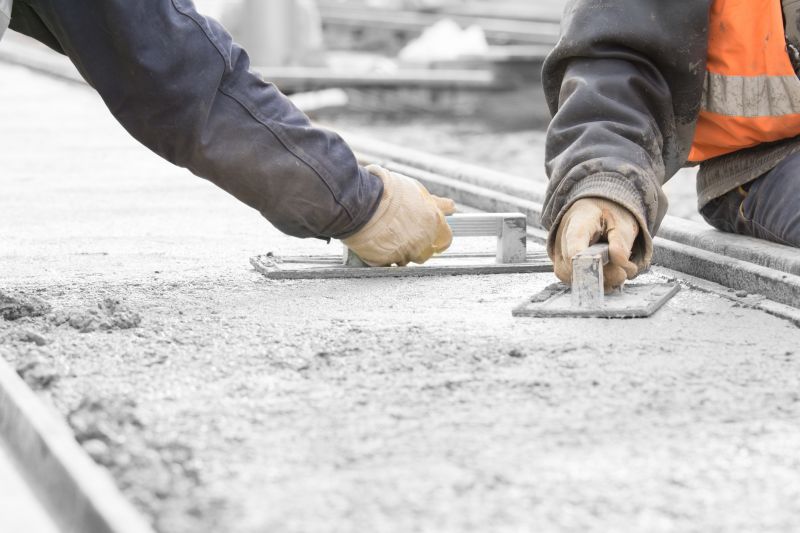
When people search for common causes of settling in commercial concrete slabs, they are often trying to understand why their existing concrete surfaces are uneven or developing cracks. This topic is relevant for property owners, facility managers, and business operators who notice issues such as sinking sections, cracks, or tilting slabs that can impact safety, usability, and appearance. Settling problems typically relate to the integrity of the foundation or subsoil beneath the concrete, making it important for those planning repairs or preventative measures to understand what causes these shifts. Recognizing these causes helps property owners determine whether mudjacking or other stabilization methods are suitable solutions, and it emphasizes the role of skilled service providers who can evaluate the situation accurately.
Common causes of settling in commercial concrete slabs are often linked to the underlying soil conditions. For instance, soil erosion or washout can occur when water repeatedly flows through or around the slab, gradually removing support from the foundation. Similarly, expansive clay soils tend to swell when wet and shrink when dry, leading to movement that causes slabs to settle unevenly. Poorly compacted fill or loose soil during initial installation can also result in gradual sinking over time. These issues are especially prevalent in properties with poorly drained areas or those situated on naturally unstable ground. Local contractors experienced in slab stabilization can assess these underlying soil problems and recommend appropriate solutions, such as mudjacking, to restore stability.
Another common factor contributing to settling is the presence of moisture-related issues. Excess moisture from poor drainage, plumbing leaks, or improper grading can weaken the soil beneath a concrete slab. When the soil becomes saturated, it loses its ability to support the weight of the slab, leading to uneven settling or cracking. Conversely, prolonged dry periods can cause certain soils to shrink and settle. Addressing these moisture problems often involves improving drainage systems or fixing leaks, but in some cases, the soil’s instability may require structural interventions. Local service providers who specialize in slab leveling can help evaluate moisture conditions and perform mudjacking or other stabilization techniques to prevent further settlement.
In many commercial properties, the age of the concrete slab also plays a role in settlement issues. Over time, concrete can develop cracks and weaken due to repeated freeze-thaw cycles, chemical exposure, or general wear and tear. As the concrete deteriorates, the support from the subsoil can become compromised, leading to uneven settling. Additionally, construction flaws, such as insufficient reinforcement or inadequate preparation of the base, can accelerate these problems. Property owners noticing signs of aging or early settlement often turn to local contractors for assessment and repair options. Mudjacking is a common method used to lift and level slabs affected by these issues, restoring a safe and functional surface for various commercial uses.
Foundation Repair Projects - skills in assessing soil stability and addressing ground movement are relevant for contractors handling concrete slab settling issues.
Pavement Installation Services - expertise in preparing subgrades and managing soil compaction connects to addressing settling concerns in commercial slabs.
Structural Reinforcement Projects - understanding of load distribution and soil support methods helps in preventing and correcting settling in concrete slabs.
Driveway and Sidewalk Resurfacing - experience in leveling and restoring uneven surfaces aligns with mudjacking techniques for commercial slabs.
Soil Stabilization Services - knowledge of soil treatment and stabilization is applicable when addressing the underlying causes of settling in concrete slabs.
Site Preparation and Grading - skills in ensuring proper ground leveling are essential for preventing future settling issues in commercial concrete work.
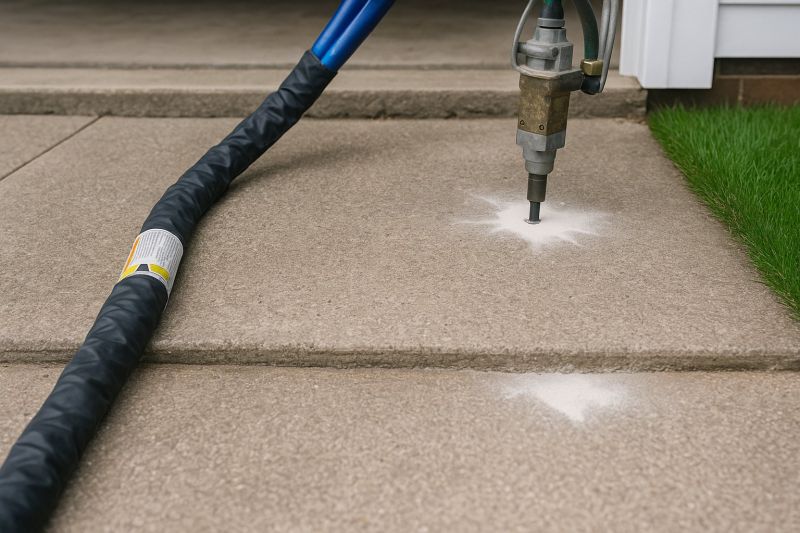
When evaluating local contractors for concrete slab mudjacking services, it is important to consider their experience with similar projects. Homeowners should inquire about the types of commercial slabs they have worked on and whether they are familiar with addressing common causes of settling, such as soil erosion, inadequate compaction, or shifting foundations. A contractor’s background in handling projects with comparable conditions can provide insight into their ability to diagnose issues accurately and deliver effective solutions. Ensuring that a service provider has a proven track record with commercial concrete slabs can help reduce the risk of misdiagnosis or subpar repairs.
Clear and detailed written expectations are essential when comparing local contractors. Homeowners should seek proposals that outline the scope of work, methods to be used, and the anticipated outcomes. This transparency helps prevent misunderstandings and ensures that the contractor’s approach aligns with the specific needs of the project, especially when addressing settling issues caused by factors like soil instability or improper base preparation. Well-defined expectations also facilitate better communication throughout the project, making it easier to track progress and address any concerns promptly.
Reputable references and strong communication skills are key indicators of a reliable contractor. Homeowners can ask for references from previous clients who had similar work done and inquire about their satisfaction with the results and the contractor’s professionalism. Good communication involves not only responsiveness but also the ability to explain technical aspects in understandable terms. Service providers who listen carefully to concerns, provide clear explanations, and keep homeowners informed throughout the process tend to foster a smoother experience. These qualities help ensure that the chosen contractor can effectively address the causes of settling in commercial concrete slabs and deliver results that meet expectations.
Property owners often search for common causes of settling in commercial concrete slabs when they are planning practical projects around their homes and businesses. Local pros provide Concrete Slab Mudjacking services for everyday jobs and straightforward project options.
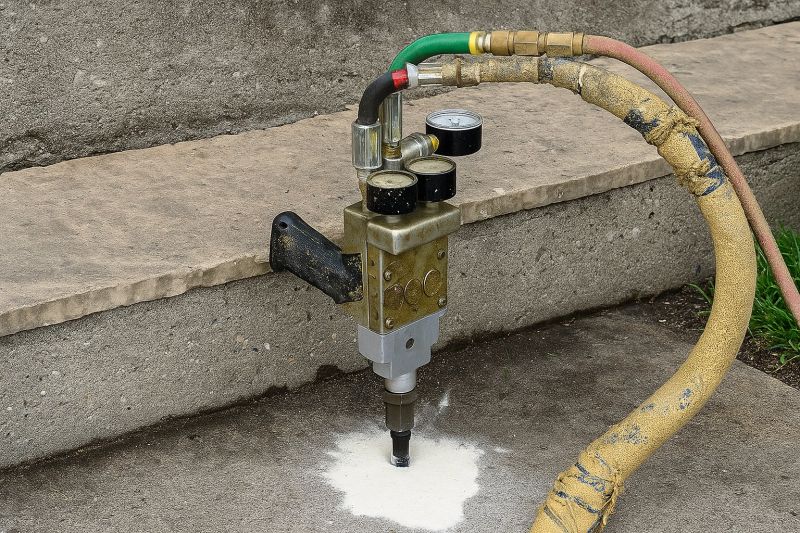
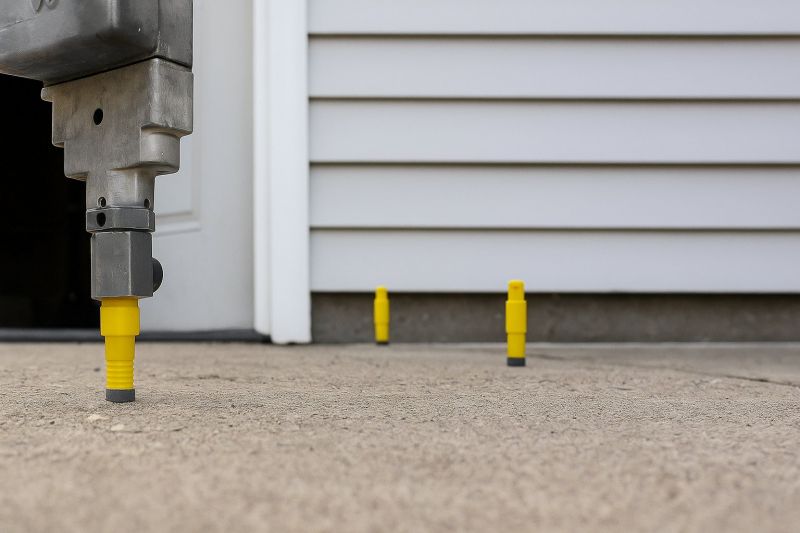
Understanding the common causes of settling in commercial concrete slabs can help property owners recognize early signs of unevenness and potential issues. One frequent reason is inadequate soil preparation before pouring the slab, which can lead to uneven support and eventual settling. Additionally, poor compaction of the underlying soil or fill material can cause the ground to shift over time, resulting in cracks or dips in the concrete. Heavy loads or frequent traffic on the slab can also accelerate settling, especially if the foundation isn’t properly designed to bear such weight. When these issues arise, local contractors experienced in concrete slab mudjacking can assess the situation and provide effective solutions to restore stability and levelness.
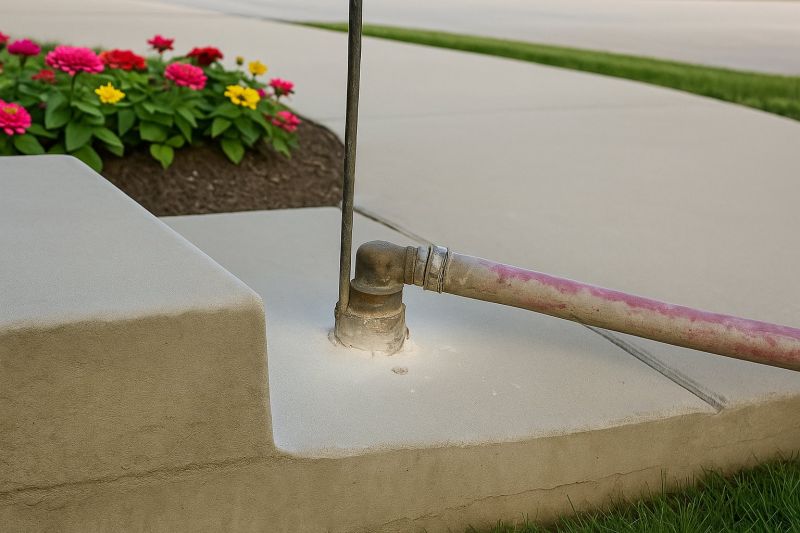
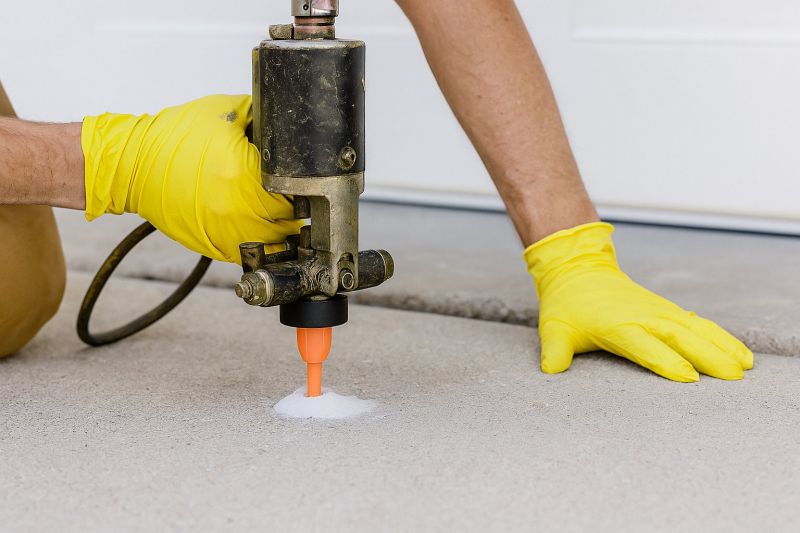
Many property owners in the area look into concrete slab mudjacking services when noticing signs of settling, such as uneven surfaces or cracking. These services involve lifting and leveling the affected slab by injecting a mixture beneath it, which can be a practical way to address the root causes of unevenness caused by soil movement or compaction issues. Local service providers are familiar with the typical reasons for settling in commercial settings and can help determine whether mudjacking is suitable for the specific situation. Connecting with experienced contractors ensures that the underlying problems are addressed efficiently, helping to maintain a safe and functional property.
What are common causes of settling in commercial concrete slabs? Common causes include soil shrinkage, poor initial compaction, and inadequate subgrade support, which can lead to uneven settling over time. Local contractors experienced in slab mudjacking can assess these issues and provide solutions to stabilize the slab.
How does soil type contribute to settling in concrete slabs? Certain soil types, such as clay or loose fill, are more prone to movement and shrinkage, increasing the risk of settling. Service providers can evaluate soil conditions and recommend appropriate stabilization methods.
Can poor drainage cause concrete slab settling? Yes, poor drainage can cause water to weaken the soil beneath the slab, leading to uneven settling. Local pros can identify drainage issues and perform mudjacking to restore stability.
Is improper subgrade preparation a common cause of settling? Improper or insufficient preparation of the subgrade can result in uneven support and subsequent settling of the concrete slab. Experienced contractors can address these foundation issues through mudjacking or other stabilization techniques.
How do underground voids contribute to settling in commercial slabs? Void spaces beneath the slab, often caused by soil erosion or compaction failure, can lead to uneven settling. Local service providers can fill these voids with mudjacking to level and stabilize the slab.
Soil instability - property owners can recognize signs of soil movement under slabs and seek local contractors for mudjacking to stabilize the foundation.
Poor compaction - understanding the importance of proper soil packing can lead to timely repairs by local service providers to prevent further settling.
Drainage issues - addressing water pooling or improper drainage around the slab can help prevent soil erosion, with local pros providing effective solutions.
Underlying voids - identifying areas where soil has shifted away from the slab allows property owners to work with local contractors to fill gaps and restore stability.
If you are thinking about common causes of settling in commercial concrete slabs for a property, this guide is meant to help you understand this topic, the typical project types, and how different options might fit your plans.
When you are ready, you can use the quote form on this page to share a few details about your project. From there, local pros can review the basics and follow up with options that match what you have in mind.